Best Time to Visit Cambodia: Month-by-Month Weather Guide
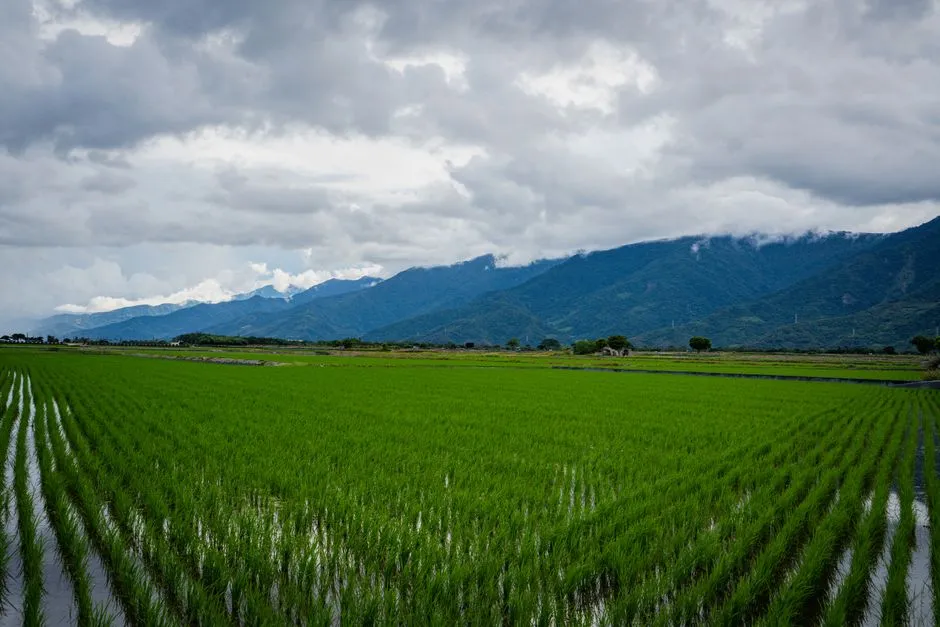
The Best Time to Visit Cambodia Is November Through February
The best time to visit Cambodia is the cool dry season, from November through February. Rain is rare, humidity drops, skies stay clear, and daytime temperatures sit in the low 30s Celsius (high 80s to low 90s Fahrenheit) instead of the punishing heat that arrives in March and April. These months are ideal for temple days at Angkor, beach time on the southern islands, and long travel days between cities.
The trade-off is predictable: this is also peak season, so expect the biggest crowds at Angkor Wat and the highest accommodation prices of the year. If you'd rather trade some sunshine for space and savings, the early wet season — roughly June and July — is Cambodia's best-kept secret, with green rice paddies, dramatic skies, and rain that usually arrives as a short afternoon downpour rather than an all-day washout.
There is no month when Cambodia is truly off-limits. But there are months that suit some trips far better than others, and that's what the rest of this guide breaks down.
Cambodia's Two Seasons, Explained
Cambodia has a tropical monsoon climate with two seasons rather than four. Once you understand the pattern, every month on the calendar makes sense.
Dry season: November to April
The northeast monsoon brings dry air from roughly November through April. But the dry season has two distinct halves:
- Cool dry (November–February): The most comfortable weather of the year. Mornings can even feel mildly cool in December and January. This is the classic window for a first trip.
- Hot dry (March–April): The rain stays away but the heat builds relentlessly. April is typically Cambodia's hottest month, with afternoon temperatures often reaching the high 30s Celsius (around 100°F) and sometimes beyond. Temple sightseeing becomes a dawn-and-dusk activity.
Wet season: May to October
The southwest monsoon brings rain from roughly May through October — but "rainy season" doesn't mean what many travelers fear. For most of the wet season, rain falls in intense bursts of an hour or two, usually in the mid-to-late afternoon, and mornings are often bright and clear.
The character of the wet season shifts as it goes:
- Early wet (May–July): Hot, with building but still manageable rain. The countryside turns brilliantly green.
- Late wet (August–October): The heaviest rain of the year, peaking in September and October. Downpours last longer, some rural roads deteriorate, and flooding is possible in low-lying areas, including parts of Phnom Penh.
One bonus of the rains: the Tonle Sap lake swells dramatically during the wet season, which is when its floating villages and flooded forests are at their most impressive.
Cambodia Weather by Month
Here's the year at a glance. Figures are typical ranges for the lowlands (Siem Reap, Phnom Penh, and the coast), where nearly all travelers spend their time.
| Month | Season | Typical daytime high | Rain | Crowds |
|---|---|---|---|---|
| January | Cool dry | ~30°C / 86°F | Very low | High |
| February | Cool dry | ~32°C / 90°F | Very low | High |
| March | Hot dry | ~34°C / 93°F | Low | Moderate |
| April | Hot dry | ~35°C+ / 95°F+ | Low, first storms possible | Moderate |
| May | Early wet | ~34°C / 93°F | Rising | Low |
| June | Early wet | ~33°C / 91°F | Moderate, afternoon bursts | Low |
| July | Early wet | ~32°C / 90°F | Moderate, afternoon bursts | Low–moderate |
| August | Late wet | ~32°C / 90°F | High | Low–moderate |
| September | Late wet | ~31°C / 88°F | Highest | Low |
| October | Late wet | ~31°C / 88°F | Very high, tapering late | Low |
| November | Cool dry | ~31°C / 88°F | Low | Rising |
| December | Cool dry | ~30°C / 86°F | Very low | Highest |
A few months deserve extra notes:
- December–January: The sweet spot for weather, and everyone knows it. Book accommodation ahead, especially in Siem Reap over Christmas and New Year.
- April: The heat peaks just as the country pauses for Khmer New Year in mid-April. It's a fascinating time culturally, but transport fills up, many businesses close for several days, and sightseeing in 38°C heat is genuinely hard work.
- September–October: The wettest stretch. Fine for a city-and-temples trip if you're flexible, but the riskiest window for beaches and remote areas.
So When Is the Worst Time to Visit Cambodia?
If forced to name one, most editors here would say late April: peak heat, holiday closures, and crowded transport, without the lush scenery the rains bring. September and October are the runners-up — not because travel is miserable, but because heavy rain gives you the least control over your plans, particularly on the coast and on rural roads.
That said, "worst" is relative. Photographers love the wet season's skies. Budget travelers love its prices. April's heat matters far less if your plan is pool, spa, and sunset drinks rather than ten hours among the temples.
Best Time by Type of Trip
The right months depend on what your trip is actually built around. If you're still deciding how to structure the journey, our Cambodia itinerary guide covers routes for 7, 10, and 14 days.
For Angkor and temple touring
November to February is ideal: cooler mornings make sunrise visits and long circuits far more pleasant, and dry ground makes the outlying temples easy to reach. If you visit in hot or wet season, structure temple days around early mornings and late afternoons — a rhythm we explain in detail in our guide to visiting Angkor Wat. In the wet season, the temple moats and reservoirs are full and the surrounding jungle is at its greenest, which many visitors find more atmospheric than the dusty late-dry-season landscape.
For beaches and the southern islands
Late November to early April is the reliable window for Sihanoukville's islands, Koh Rong among them. Seas are calm and skies mostly clear. From roughly June through October, the southwest monsoon hits the coast hardest: seas turn rough, some boat services thin out, and a run of grey, wet days is a real possibility. The coast is the part of Cambodia where season matters most — don't build an island-centered trip around September.
For budget travelers
May through early October brings the year's lowest accommodation prices and genuine room to negotiate. Fewer visitors also means a calmer Angkor, quieter guesthouses, and easier last-minute planning.
For photographers and slow travelers
June to August offers the best light-to-hassle ratio: monumental clouds, saturated green paddies, full waterfalls, and rain that's usually short enough to wait out with a coffee. The late wet season (September–October) is even more dramatic but demands more flexibility.
For festivals
Two events are worth planning around — in both directions:
- Khmer New Year (mid-April): The country's biggest holiday. Expect closures and packed transport, but also water fights and a genuine festive atmosphere.
- Water Festival / Bon Om Touk (usually November): Boat races and huge crowds, celebrated most intensely in Phnom Penh, marking the reversal of the Tonle Sap river's flow. Exciting to witness, but book everything early.
Exact festival dates shift year to year — confirm them before locking in travel around those weeks.
Regional Differences Worth Knowing
Cambodia is compact, and most of the country follows the same lowland pattern described above. Two exceptions:
- The coast and islands get noticeably more rain than the interior during the southwest monsoon and are the most season-sensitive part of the country.
- The eastern highlands (Mondulkiri and Ratanakiri) sit higher, run cooler year-round, and their unpaved roads suffer most in the late wet season. If those provinces are on your route, favor the dry months.
Siem Reap and Phnom Penh, by contrast, are workable in any month — the season changes how you pace your days there, not whether you should go. For help deciding which regions deserve your time in the first place, browse our trip planning guides.
The Bottom Line
- Best overall: November to February — dry, relatively cool, and reliable, at the cost of peak crowds and prices.
- Best value with good weather: June and July — green landscapes, afternoon-only rain, low prices.
- Toughest months: Late April for heat and holiday closures; September and October for heavy rain, especially on the coast.
- Golden rule: In any season, do your sightseeing early. Cambodia rewards travelers who are out at 6 a.m. and resting at 1 p.m. — that habit does more for trip comfort than picking the perfect month.
Whenever you go, the country's fixed rhythms — monsoon, heat, harvest, festival — will shape your days more than any forecast. Plan around them and Cambodia is a joy in every season.