Kampot and Kep Travel Guide: River, Coast, and Pace
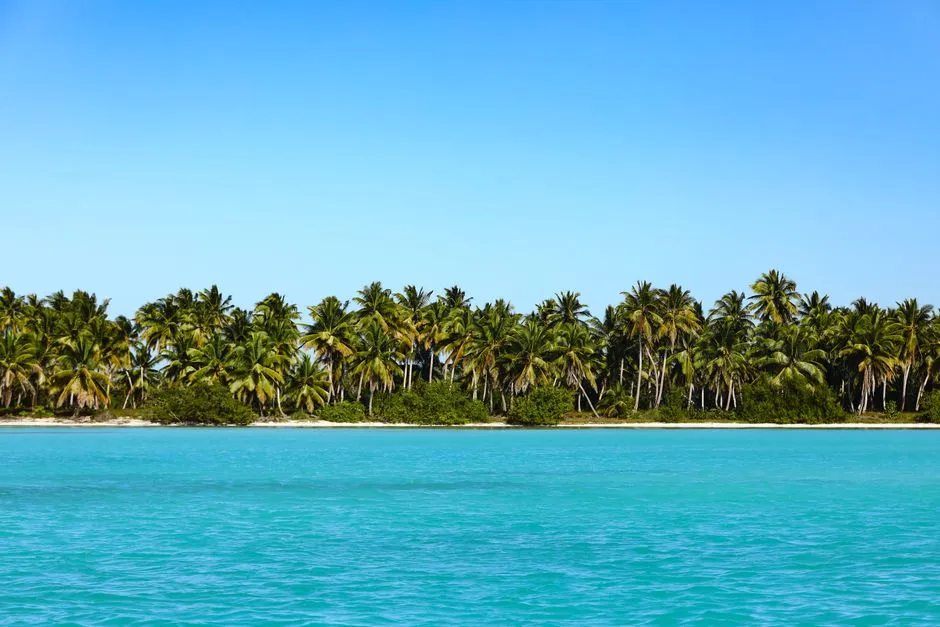
Kampot and Kep work best as one slow coastal chapter
Kampot is a riverside town with access to farms, countryside and the Elephant Mountains; Kep is a small coastal settlement known for seafood, a wooded national-park hill and views across the Gulf of Thailand. They are close enough to combine, but different enough to deserve separate time. Three full days works well: two based around Kampot and one for Kep.
Check current official advice, weather and transport before travel. Border areas can carry restrictions that do not apply to Kampot and Kep, but every itinerary should be checked against the live geographic advice for the traveller's nationality and insurance. In the south, road safety, theft, limited emergency response, water activities and seasonal flooding still matter. Distance from a border warning is not a guarantee of safety.
Choose a base by what you want at night
Kampot suits travellers who want a wider choice of food, cafés, accommodation and evening activity. The riverfront and compact centre make it the more flexible base for several days.
Kep suits quiet mornings, seafood and a deliberately small schedule. It can feel very still after dark. Stay there when that is the point, not when you expect a smaller version of Kampot's social life.
Splitting a short stay between both creates unnecessary packing. Base in one, visit the other, and reconsider only when a particular lodging or early-morning plan justifies the move.
What to do in Kampot
Walk the river and older centre
Use the riverfront along the Praek Tuek Chhu to orient yourself, then explore nearby streets and the area around the old market during the cooler part of the day. Fishing boats, bridges and the broad river explain Kampot better than a rapid circuit of façades. Buildings associated with the French colonial period require historical context rather than a caption about faded charm; the town has continued changing through independence, war, recovery and new development.
Markets and cultural spaces are worth seeking through current local information because individual businesses change. The permanent pleasure is the scale: Kampot is walkable enough to notice workshops, shophouses and religious life between the river and central streets. Ask before photographing people or worship, and do not mistake somebody's working doorway for a heritage display.
Visit pepper country thoughtfully
Kampot pepper is protected by a geographical indication and is connected to particular growing and production standards. Farm visits vary from working agricultural operations to visitor-focused tours.
Ask what the visit includes, whether a guide is provided, how products are grown and processed, and whether your purchase comes from the stated producer. Do not walk into fields or photograph workers without permission. A real farm is not a scented showroom with soil attached.
Add salt fields or Phnom Chhngok, not both at speed
The low country between Kampot and Kep includes salt fields where seawater is channelled into shallow pans and evaporated. Production is seasonal and weather-dependent, so a roadside view will not always show active harvesting. Remain on public or clearly permitted routes, keep off working pans and ask before photographing workers.
North-east of Kampot, Phnom Chhngok is known for a small pre-Angkorian brick temple inside a limestone cave. The combination of geology, worship and history makes it more than a novelty stop. Cave floors and steps can be wet or uneven; use local guidance, wear secure footwear and do not touch formations or religious objects. It pairs naturally with countryside and pepper country when road conditions allow.
Treat the mountains as a separate conditions check
Roads into Bokor National Park climb toward the plateau commonly called Bokor Hill Station. The old Catholic church and the building long known as Bokor Palace reflect the area's colonial resort history, while later conflict and modern development complicate any simple “abandoned town” story. Read the place as a layered landscape, not a spooky-photo set.
Cloud, rain and mist can erase the famous views and reduce road visibility quickly. Check current park access and weather before setting out. Use a reputable driver or a legal, properly equipped vehicle; helmet quality, licensing and insurance matter for motorcycles. A smooth climb does not make blind bends forgiving.
Use the river carefully
Kayaking, boat trips and swimming depend on weather, current, equipment and operator practice. Confirm suitable life jackets, passenger load and the plan for changing conditions. Avoid assuming water is safe for swimming because other people are in it; seek current local advice.
What to do in Kep
Understand the crab-market experience
Kep's Crab Market is central to the town's seafood identity, but stalls, restaurants, prices and hygiene vary. Choose busy sellers, ask the price and preparation before ordering and make sure seafood is cooked thoroughly. Anyone with allergies or medical vulnerability should seek personalised professional guidance rather than relying on a travel article's appetite.
Walk only a suitable national-park route
Kep National Park rises immediately behind the town, with forest paths and viewpoints toward the coast and islands. A marked circuit can provide a useful counterpoint to the market and beach, but route surfaces, maintenance and access can change. Check trail condition, weather and daylight, wear appropriate shoes, carry water and stay on established paths. Heavy rain can make slopes slippery and obscure markings.
Treat the beach honestly
Kep has a modest town beach, not a vast island shoreline. It works for a swim or pause when current water and weather conditions allow, but beach-focused travellers may prefer Cambodia's islands. Kep's strength is the combination of coast, food, quiet and greenery.
Consider Koh Tonsay as a real excursion
Koh Tonsay, usually called Rabbit Island in English, lies off Kep and offers a more rustic island day than the town beach. The appeal is simple coastline and a slower setting, not polished resort infrastructure. Boat arrangements, sea conditions, facilities and return timing must be checked locally before departure.
Take drinking water and sun protection, keep valuables dry and confirm that suitable life jackets are provided. Do not assume the return boat will operate through unsafe weather. An island visit can replace the park or market block; forcing all three into one day defeats the reason to go.
A three-day Kampot and Kep plan
Day 1: Kampot town and river
Settle in, orient on foot and leave room for a market, current cultural stop or sunset by the water. Avoid scheduling a rural tour immediately after a long transfer.
Day 2: one countryside theme
Choose a pepper-focused farm visit, a carefully planned upland route or a river activity—not all three. Verify the provider, route, safety equipment and weather.
Day 3: Kep
Visit the market, walk a suitable section of the park and spend time by the coast. Leave Kep early enough to return in daylight rather than turning the final road journey into a tired night transfer.
Add a fourth day for a slower pace or uncertain wet-season weather. Our month-by-month Cambodia guide explains the broad dry and wet seasons; a current forecast should make the actual decision.
Transport and road safety
Current buses, vans, trains and private transfers may connect the area with Phnom Penh and other hubs, but schedules and service quality change. Verify directly rather than relying on a quoted duration or fare.
Prefer daylight travel. Wear a helmet on motorcycles, avoid impaired drivers and do not drive after drinking. Agree on the destination and fare before a local trip where no meter or app price applies. Keep valuables secured rather than loose in an open vehicle.
Flooding and heavy rain can affect roads during the wet season. Leave margin and avoid insisting that a driver continue through unsafe water merely because accommodation is already paid.
Who should choose Kampot, Kep, or both?
Choose Kampot for a river base, food, farms and a little evening life. Choose Kep for quiet, seafood and a small coastal pause. Choose both when you have three days and want variety without another long national transfer.
Skip the pair on a seven-day first trip focused on Angkor and Phnom Penh. They fit more naturally into a ten-day or two-week route. Our Cambodia destination comparison helps test that trade-off.
Browse the rest of our destination guides when building the route. Kampot and Kep reward travellers who leave blank space: one road out, one meal that runs long, one weather change the itinerary can absorb. Slow is not a lack of planning here; it is the product.